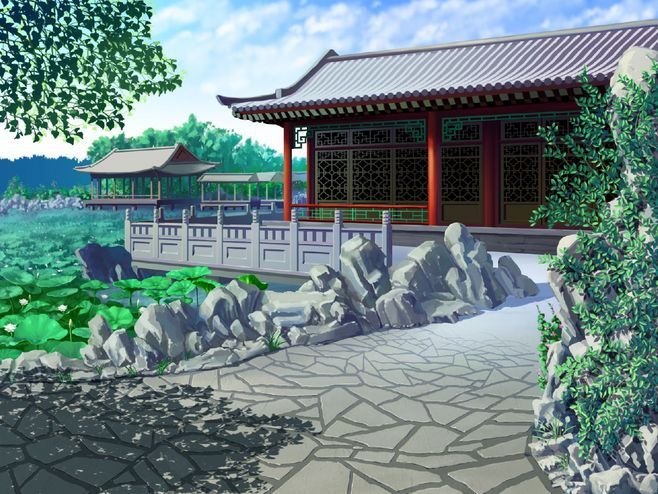
In the sprawling landscape of fantasy narratives, few genres offer the sheer scope and intricate detail of Xianxia. Mastering Xianxia Lore & Worldbuilding isn't just about understanding its common tropes; it's about appreciating the deep philosophical underpinnings and the boundless potential for truly immersive storytelling. This guide will walk you through the essential elements, helping you build worlds that feel both ancient and alive, resonant with the echoes of immortal ambition and cosmic destiny.
At a Glance: Crafting Your Xianxia Universe
- Beyond Tropes: Xianxia isn't just cultivation; it's a rich tapestry of philosophical concepts, cosmic hierarchies, and social structures.
- The Cultivation Core: Understand the mechanics of Qi, cultivation stages, and the relentless pursuit of power and longevity.
- Layered Realms: Design a multi-tiered cosmology, from mortal lands to celestial heavens and hidden dimensions.
- Societal Structures: Build compelling sects, clans, and empires, each with unique rules, rivalries, and internal politics.
- Mystical Elements: Populate your world with mythical beasts, divine treasures, and powerful artifacts.
- Conflict & Consequence: Weave in the eternal struggle between good and evil, fate and free will, driving character growth and plot.
- Show, Don't Tell: Instead of lecturing on lore, reveal your world through character experiences, challenges, and discoveries.
Deconstructing Xianxia: More Than Just Cultivation
Xianxia, literally "immortal heroes" or "immortal chivalry," isn't merely a backdrop for powerful martial artists. It's a genre deeply rooted in Chinese mythology, Taoist philosophy, and Buddhist principles, exploring themes of transcendence, destiny, reincarnation, and the often-perilous journey towards immortality. When you engage with Xianxia Lore & Worldbuilding, you're not just creating a setting; you're building an entire universe governed by unique rules of existence, power, and morality.
The true magic of Xianxia lies in its ability to blend the mundane with the mystical. A character might be fighting for their next meal one moment, and the next, they're shattering mountains with a flick of their wrist or traversing galaxies. This genre demands a meticulous approach to its core components, ensuring that even the most fantastical elements remain consistent and believable within their own framework.
The Cosmic Framework: Crafting Layers of Existence
A defining feature of Xianxia is its vast, multi-layered cosmos. Mortals aren't just living on a single planet; they inhabit realms that are often just the lowest rung of a grand celestial hierarchy.
Designing Your Realms and Worlds
Think of your universe as a cosmic onion, with different "layers" or "planes of existence."
- Mortal Realm (Lower Realm): This is typically where stories begin. It's often divided into continents, empires, or even distinct planets. Life here is abundant, but cultivation is limited, and mortality is a constant. Resources, while precious, are far less potent than those found higher up. This realm serves as the proving ground for nascent cultivators.
- Immortal Realm / Spirit Realm (Middle Realm): A step above the mortal realm, this plane is home to more powerful cultivators, immortal clans, and sects. The spiritual energy (Qi) is richer, allowing for faster progression and the emergence of more sophisticated techniques and treasures. Access to this realm is often restricted, requiring a breakthrough in cultivation or special means.
- Divine Realm / God Realm (Upper Realm): The pinnacle of existence, where true immortals, gods, and ancient beings reside. Power here is absolute, and the very fabric of reality can be manipulated. This realm often houses powerful entities that oversee the lower realms, though their direct intervention might be rare.
- Hidden Dimensions & Secret Realms: Don't forget the pockets of space, ancient ruins, or isolated dimensions that might exist within or between these main realms. These can be temporary training grounds, treasure troves, or even prisons, offering exciting narrative possibilities.
Practical Tip: Define the "rules" of travel and interaction between these realms. Is it a one-way trip? Are there gateways, or does one simply cultivate enough to ascend? What are the consequences of defying these boundaries?
Cultivation: The Engine of Power and Progression
At the heart of every Xianxia narrative is cultivation—the process by which individuals absorb spiritual energy (Qi) to strengthen their bodies, minds, and souls, striving for greater power, longevity, and ultimately, immortality.
The Mechanics of Qi and Cultivation Stages
- Qi (Spiritual Energy): This is the fundamental life force of your universe. It permeates the environment, flows within living beings, and is the raw material for all cultivation.
- Types of Qi: Is it all universal, or are there elemental Qis (fire, water, earth, wood, metal), Yin-Yang Qi, or even more exotic forms?
- Purity & Density: Higher realms typically have purer, denser Qi, explaining faster cultivation there. Lower realms might have sparse or 'impure' Qi, making progress harder.
- Cultivation Stages: A clear, hierarchical progression system is crucial. This defines a character's power level and the challenges they face.
- Common Progression: A typical path might involve stages like Qi Condensation, Foundation Establishment, Core Formation, Nascent Soul, Spirit Severing, Tribulation Transcendence, Immortal Ascension, etc. Each stage often has sub-stages (early, middle, late, peak).
- Breakthroughs & Bottlenecks: What triggers a breakthrough to the next stage? Is it accumulation of Qi, understanding of a deeper truth, or overcoming a mental barrier? What are the common bottlenecks where many cultivators fail?
- Consequences of Failure: What happens if a cultivator fails a breakthrough? Qi deviation? Death? Loss of cultivation?
Techniques, Arts, and Daos
Cultivation isn't just about absorbing energy; it's about how you use it.
- Cultivation Techniques (Gongfa): These are the methods used to absorb and refine Qi. Different techniques might yield different results, strengths, or elemental affinities. A powerful technique can grant an early advantage, while a weaker one limits potential.
- Martial Arts (Wugong) & Divine Abilities (Shen Tong): These are the offensive and defensive skills. Martial arts are often physical, enhanced by Qi, while divine abilities are more mystical, manipulating elements, space, or even time.
- Daos (Pathways): Beyond mere techniques, a Dao represents a cultivator's unique understanding of the universe, a philosophical path, or a profound truth they embody. Cultivating a Dao is about comprehending cosmic laws, leading to immense power.
- Pill Refining, Talisman Forging, Formation Arrays: These are crucial auxiliary professions.
- Pill Refiners: Create potent elixirs for healing, breakthroughs, or increasing Qi.
- Talisman Forgers: Craft magical scrolls or charms for defense, attack, or utility.
- Formation Masters: Design intricate arrays that can protect a sect, trap enemies, or gather spiritual energy.
Pitfall to Avoid: Don't make cultivation too easy or too linear. Introduce setbacks, require rare resources, or pose philosophical dilemmas that force characters to truly earn their power. The journey itself should be fraught with danger.
Society & Culture: Clans, Sects, and Empires
The social fabric of a Xianxia world is usually dominated by powerful factions vying for resources, territory, and influence.
The Hierarchy of Power
- Sects (Zongmen): These are often the most influential organizations, dedicated to a specific cultivation path or philosophy. They house disciples, elders, and a sect master. Sects can range from small, struggling groups to grand, ancient institutions.
- Internal Structure: How are disciples ranked (outer, inner, core)? What are the responsibilities of elders? How is leadership chosen?
- Resources: What resources does a sect control (spirit mines, herb gardens, specific techniques)?
- Clans (Shizu): Bloodline-based organizations, often emphasizing lineage and inherited talents. Clans can be as powerful as sects, especially if they have ancient roots or unique bloodline abilities.
- Empires & Dynasties: While cultivators often operate above mundane politics, empires provide a vast base of resources and mortals. A powerful emperor might even be a cultivator himself, or backed by powerful sects.
- Rogue Cultivators (Sanxiu): Individuals who cultivate independently, without sect or clan affiliation. They often lead perilous lives but can also be sources of unique knowledge or formidable power.
Rules, Rivalries, and Conflicts
- Sect Rules & Laws: Every organization will have its own code of conduct. What happens when these rules are broken? Are there internal punishments, or external conflicts?
- Territorial Disputes: Sects and clans often fight over resource-rich lands, spiritual veins, or ancient inheritances.
- Tournaments & Competitions: These are excellent ways to showcase character growth, introduce new abilities, and drive plot. They also establish internal rankings and external prestige.
- Political Intrigue: Even among immortals, politics and schemes are rampant. Betrayal, alliances, and manipulation can be just as deadly as direct combat.
Micro-Example: Imagine a prominent clan, the Azure Dragons, whose power stems from their unique Dragon Bloodline. They control a vital spirit stone mine. A rival sect, the Obsidian Phoenixes, wants that mine, leading to a proxy war fought through their younger disciples in a regional tournament. This creates both personal stakes and macro-level conflict.
Mystical Elements: Beasts, Treasures, and Fate
No Xianxia world is complete without a plethora of fantastical elements that challenge, reward, and define its inhabitants.
Spirit Beasts & Mythical Creatures
These aren't just monsters; they are often intelligent beings with their own cultivation paths, territories, and even social structures.
- Hierarchy: Just like cultivators, spirit beasts have power levels, often categorized by their cultivation stage or innate rarity.
- Relationships with Humans: Are they allies, enemies, or potential pets? Spirit beasts can offer unique abilities if tamed or harvested.
- Unique Abilities: Each beast should have distinct powers, weaknesses, and preferred habitats. A Thunderhawk might control lightning, while a Jade Serpent could secrete potent poisons.
Divine Treasures & Artifacts
These are the powerful tools and relics that cultivators covet.
- Grading System: Establish a clear hierarchy for artifacts (e.g., Mortal Grade, Spirit Grade, Earth Grade, Heaven Grade, Immortal Grade, Divine Grade).
- Types of Treasures:
- Weapons: Swords, spears, bows, staves—each imbued with unique properties.
- Armor & Defenses: Robes, shields, protective talismans.
- Storage Rings/Spatial Items: Essential for carrying vast amounts of loot.
- Cultivation Aids: Pills, herbs, elixirs that boost power or heal.
- Formations: Portable arrays or formation flags that can be deployed quickly.
- Sentient Artifacts: Some treasures might develop their own consciousness, becoming companions or even antagonists.
- Discovery & Acquisition: How are these treasures found? In ancient ruins? As rewards for quests? Through dangerous expeditions?
The Concept of Fate, Karma, and Destiny
Xianxia often grapples with these profound concepts.
- Predestined Path: Is a character's destiny set in stone by the Heavens, or can they defy it?
- Karma: Do good deeds lead to good fortune, and evil deeds to retribution? This can influence everything from breakthroughs to chance encounters.
- Heavenly Tribulations: A common trope where cultivators face divine lightning or other trials as they ascend to higher realms or achieve significant breakthroughs. This tests their will, power, and often their karma. It's a cosmic trial by fire, and failure usually means death.
Remember: These mystical elements aren't just window dressing. They should actively influence your plot, create obstacles, and offer unique solutions, making the world feel unpredictable and full of wonder.
Power Systems & Progression: Scaling Your Story
The vast power scaling in Xianxia can be dizzying. A structured approach ensures your narrative remains cohesive and believable.
Designing Power Growth and Setbacks
- Linear vs. Non-linear Growth: While cultivation stages are often linear, breakthroughs aren't always guaranteed. Introduce periods of stagnation, side quests for rare resources, or mental blocks that impede progress.
- Exponential Power Curve: The difference in strength between stages should be significant, but not insurmountable. Early on, one stage might be a 2x increase; later, it could be 10x or 100x.
- The Power Gap: How does a weaker character defeat a stronger one? Is it through cleverness, a rare treasure, a powerful formation, or an unexpected inheritance? This creates tension and allows for underdog stories.
- The Price of Power: What are the moral or physical costs of rapid advancement? Does it attract unwanted attention, deform the body, or corrupt the mind?
Challenges and Conflict Escalation
- Early Game: Focus on survival, learning basic techniques, and gathering initial resources. Conflicts might be with local bandits, rival apprentices, or low-level spirit beasts.
- Mid Game: Characters join sects, face internal challenges, compete in tournaments, explore ancient ruins, and begin to grasp the larger world's politics. Conflicts involve powerful sect elders, rival geniuses, or mid-tier spirit beasts.
- Late Game: The stakes become cosmic. Characters might challenge entire realms, battle ancient demons, defy heavenly laws, or even ascend to godhood. Conflicts involve deities, supreme immortals, or existential threats to the universe.
Analogy: Think of it like leveling up in an RPG. Early levels are about goblin slaying. Mid-levels are about dungeon crawling and faction quests. Late-game is about defeating dragons or saving the world. Each stage introduces new threats and new avenues for power. Consider how characters like those in The Legend of Shen Li navigate these escalating power levels and the challenges they face.
Avoiding Common Pitfalls in Xianxia Worldbuilding
Building a compelling Xianxia world means steering clear of common traps that can make your narrative feel generic or uninspired.
Over-Reliance on Tropes
While tropes provide a familiar framework, simply copy-pasting them without personalizing them leads to a flat world.
- Generic Protagonist: Avoid the 'chosen one' who cultivates effortlessly and solves every problem with brute force. Give your characters unique flaws, struggles, and motivations.
- Monolithic Factions: Not every sect or clan should be purely good or evil. Introduce internal conflicts, moral ambiguities, and diverse personalities within each group.
- The "Convenient Plot Device" Treasure: Don't have a rare treasure appear just when the protagonist needs it most without any prior setup or logical explanation for its existence or discovery.
Inconsistent Power Scaling
This is a major issue in many Xianxia stories.
- "Deus Ex Machina" Power-Ups: A character suddenly gains immense power without sufficient explanation or effort, trivializing previous struggles.
- Meaningless Stages: If a character at Core Formation can easily defeat a Nascent Soul cultivator, what's the point of the stages? Ensure each stage feels like a significant hurdle and offers a clear power advantage.
- Forgotten Abilities: Don't introduce cool abilities or treasures only to have them disappear from the narrative because the character has "outgrown" them without consequence.
Lack of Consequence
Even immortals should face consequences for their actions.
- Reckless Behavior Without Repercussion: If a character can slaughter innocents or insult powerful elders without ever facing retaliation, the world loses its sense of danger and justice.
- No Stakes: If death is easily undone or breakthroughs are guaranteed, the reader will disengage because there's nothing truly at risk.
- Empty World: A world that feels like just a backdrop for fights and cultivation. Ensure your world has history, local customs, unique flora/fauna, and minor characters who have their own lives and stories.
Expert Opinion: As noted by many genre enthusiasts on platforms like Reddit (as seen in discussions around Xianxia environments), the most engaging worlds are those that feel lived-in, where the rules are consistent, and character actions have tangible impacts, both positive and negative.
Crafting Your Unique Xianxia Narrative: A Blueprint
Now, let's put it all together and build your own distinct Xianxia universe.
1. Define Your Core Philosophy
What central themes do you want to explore? Immortality vs. humanity? Destiny vs. free will? The pursuit of power vs. personal growth? This core idea will infuse every aspect of your world.
2. Establish Your Cosmology Early
Sketch out your realms. How many are there? How do they interact? What are their distinct characteristics, resources, and dominant power levels? A basic map, even a conceptual one, helps visualize this.
3. Build a Detailed Cultivation System
- Stages: List them out, along with typical abilities and challenges at each stage.
- Qi Mechanics: How is Qi absorbed? Are there different types?
- Auxiliary Paths: What role do pill refiners, formation masters, etc., play? This adds depth and economic systems.
4. Populate Your World with Compelling Factions
- Key Sects/Clans: Give them distinct names, origins, founding philosophies, unique techniques, and prominent leaders.
- Rivalries: Identify natural conflicts and alliances between these groups.
- Minor Factions: Don't forget the smaller, often overlooked groups that can add flavor and unexpected plot twists.
5. Invent Unique Mystical Elements
- Rare Resources: What are the unique herbs, minerals, or spirit fruits found only in your world?
- Legendary Beasts: Create a few signature creatures with rich backstories and specific powers.
- Ancient Artifacts: Design key treasures that have historical significance and powerful, yet balanced, abilities.
6. Introduce a "Hook" or Unique Twist
What makes your Xianxia different? Is it a unique type of Qi, a forgotten ancient civilization, a cosmic anomaly, or a philosophical twist on cultivation? This helps your story stand out.
Template Idea: Your World's Core Pillars
| Element | My World's Specifics |
|---|---|
| Cosmology | Three main realms: Verdant Mortal Realm (many floating islands), Celestial Cloud Realm (governed by 7 Immortal Sovereigns), Void Abyss (source of chaotic energy). |
| Cultivation | Stages: Spirit Awakening, Core Condensation, Nascent Star, Soul Ascension, Heavenly Tribulation, Immortal Body. Qi is primarily elemental, requiring practitioners to align with a specific element. |
| Key Factions | Azure Sky Sect: Focus on Wind Dao. Blazing Sun Clan: Fire-aligned bloodline. Shadow Weavers: Rogue cultivators practicing forbidden arts from the Void Abyss. |
| Unique Twist | Cultivators draw power directly from constellations, with their destiny tied to which stars are dominant in the night sky. |
| Major Conflict | A cosmic alignment threatens to open a permanent portal to the Void Abyss, pitting all realms against a common, chaotic enemy. |
Key Terms & Concepts: A Quick Glossary
Understanding these terms is fundamental to navigating Xianxia lore.
- Qi (气): The fundamental life energy and spiritual essence of the universe.
- Dantian (丹田): The energy center(s) in the body where Qi is gathered and cultivated.
- Gongfa (功法): Cultivation techniques or methods used to absorb and refine Qi.
- Wugong (武功): Martial arts, often enhanced by Qi.
- Shen Tong (神通): Divine or supernatural abilities achieved through high-level cultivation.
- Dao (道): The "Way" or "Path"; a philosophical understanding of cosmic laws, leading to profound power.
- Jindan (金丹) / Golden Core: A solidified core of refined Qi, marking a significant stage in cultivation.
- Yuanying (元婴) / Nascent Soul: A miniature spirit body formed within the Dantian, indicating a higher cultivation stage.
- Dujie (渡劫) / Heavenly Tribulation: A trial by the heavens (often lightning) that cultivators must overcome to ascend to a higher realm or breakthrough.
- Xian (仙): An immortal being.
- Zongmen (宗门): A sect or school of cultivation.
- Shizu (氏族): A clan or family.
- Sanxiu (散修): A rogue or independent cultivator.
- Ling Shi (灵石) / Spirit Stones: Stones containing condensed spiritual energy, used as currency or cultivation resources.
- Fa Bao (法宝) / Magic Treasure: A magical item or artifact.
- Ling Cao (灵草) / Spirit Herbs: Rare herbs infused with spiritual energy, used in pills.
- Dan Yao (丹药) / Pills: Medicinal or cultivation-enhancing pills.
- Zhen Fa (阵法) / Formation Array: A mystical arrangement of objects or symbols to create an effect, like defense or attack.
The Enduring Appeal: Your Next Steps
The vastness of Xianxia Lore & Worldbuilding can seem intimidating, but its true beauty lies in the freedom it offers. You're not just creating a story; you're forging a new reality, complete with its own rules, powers, and moral compass. The best Xianxia narratives resonate because they tap into universal human desires: the quest for power, the longing for immortality, the struggle against fate, and the pursuit of truth.
To truly bring your world to life, don't just list elements; show how they interact. How does a rogue cultivator's poverty force them to take desperate measures? How does a sect's strict hierarchy both protect and stifle its disciples? How does a single rare herb ignite a war between two powerful clans?
By meticulously crafting your cosmology, defining your cultivation paths, and populating your world with believable characters and intriguing conflicts, you'll create a Xianxia experience that is not only immersive but unforgettable. The journey of worldbuilding, much like cultivation itself, is one of continuous refinement and discovery. So, pick up your pen, cultivate your ideas, and let your immortal saga begin.